Digital transformation has helped customs authorities shorten clearance times, reduce costs for businesses, and contribute to a nearly 290% increase in import and export turnover from 2014 to the present.
Before 2014, customs clearance in Vietnam was primarily based on paper documents, with a decentralized processing system heavily reliant on human intervention. Businesses had to physically go to customs offices, submit documents, wait for inspection and approval, leading to prolonged clearance times, increased storage and warehousing costs, and potential risks of lack of transparency.
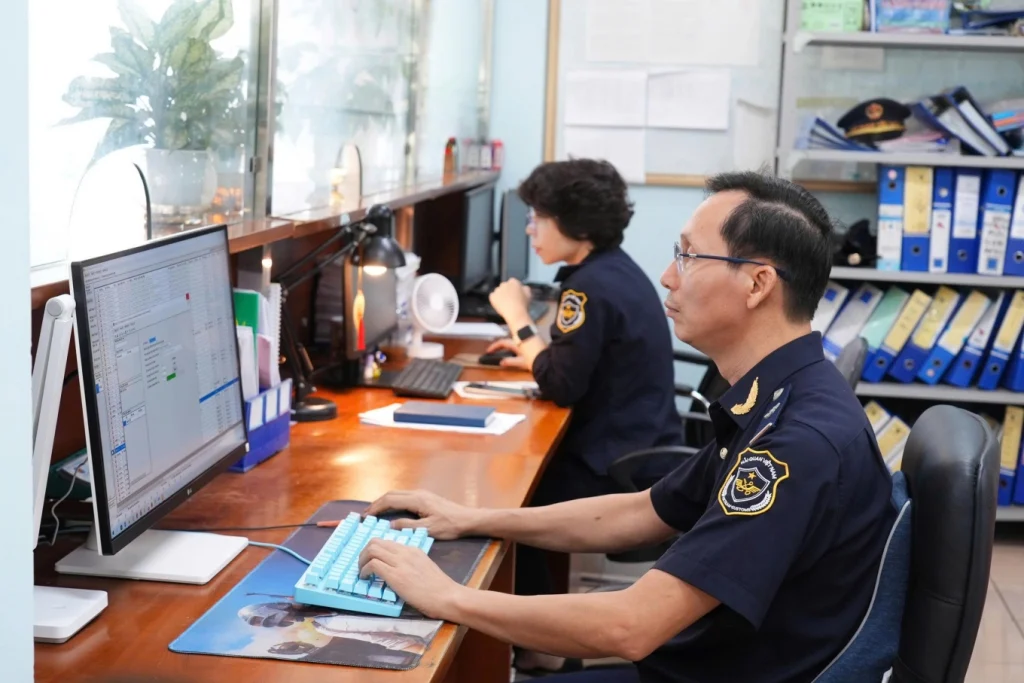
According to customs statistics, from 2003 to 2013, Vietnam’s total import and export turnover reached approximately US$1,492 billion. At that time, the scale of trade was modest, the number of businesses involved in import and export was limited, and competitiveness faced significant pressure from complex administrative procedures.
In the context of deep integration, especially with Vietnam’s participation in numerous free trade agreements, the need for customs procedure reform has become urgent. “Digital transformation is no longer an option, but a condition to keep pace with the global supply chain,” according to a representative from the Customs Department.
Since 2014, the customs sector has implemented electronic customs procedures and automated customs clearance nationwide. To date, all basic customs procedures have been automated, with customs departments and sub-departments implementing electronic procedures, involving 99.65% of import and export businesses. Thanks to this, customs clearance time for green cargo – the largest group – has been reduced to just one to three seconds. Businesses can declare, track, and complete procedures anytime, anywhere, instead of being dependent on office hours as before.
In parallel with electronic procedures, the customs sector has implemented electronic payment of import and export taxes. As of November 21st, revenue collected through commercial banks reached over 423,000 billion VND, accounting for approximately 98% of the total budget revenue of the customs agency. Revenue collected through the Electronic Payment Portal and 24/7 customs clearance alone reached approximately 65,700 billion VND, helping businesses pay taxes quickly and accurately and shortening customs clearance time after fulfilling their financial obligations.
The effectiveness of digital transformation is also reflected in the breakthrough in import and export turnover. Between 2014 and 2024, Vietnam’s total import and export turnover reached US$5,817 billion, an increase of nearly 290% compared to the period from 2003 to 2013, equivalent to an increase of over US$4,324 billion.
The scale of trade has continued to expand in recent years. In 2023, import and export turnover reached US$681 billion; in 2024, it increased to nearly US$784 billion. By December 26, 2025, this figure is expected to reach US$900 billion.
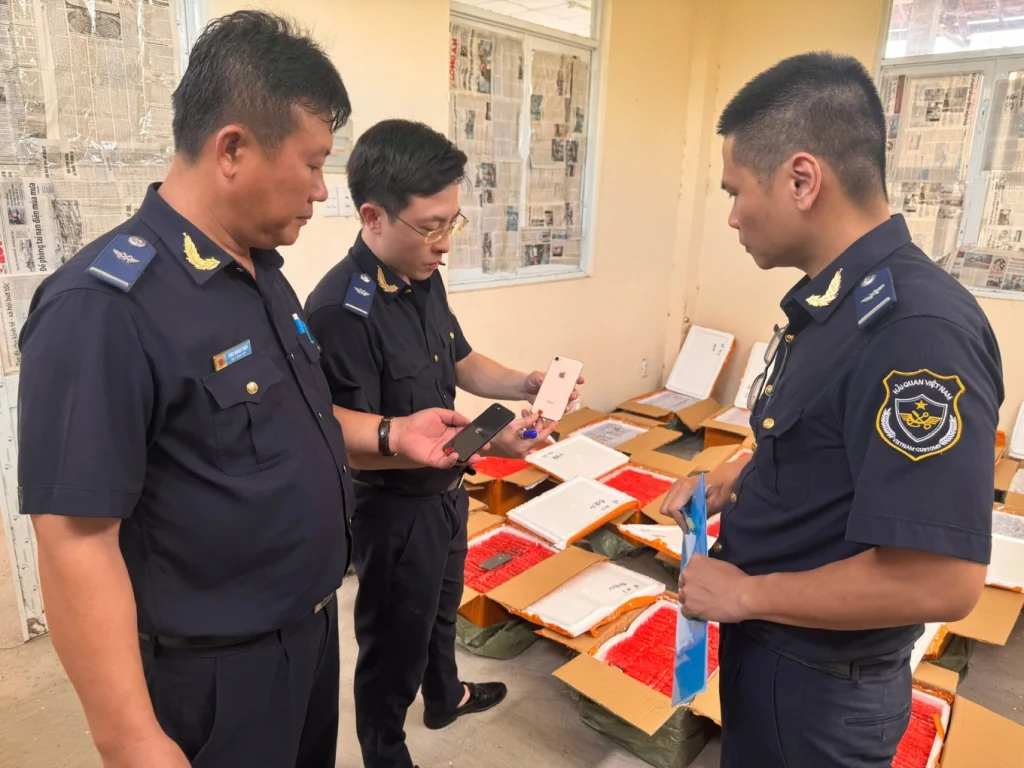
According to a representative from the Customs Department, every hour saved in customs clearance, with hundreds of billions of USD worth of goods processed annually, creates significant economic benefits for the business community, from reduced logistics costs to faster delivery and enhanced competitiveness.
In addition to shortening processing times, digital transformation also contributes to changing the face of industry management towards transparency and data-driven practices. Documents and records are digitized, stored electronically, and easily accessible and controlled. Reducing direct contact between businesses and officials helps limit corruption and harassment – an issue that previously caused many businesses to worry.
Customs clearance time for exports decreased by more than 2 hours between 2020 and 2023; and for imports by nearly 5 hours compared to before, according to industry statistics. “This is a key factor helping businesses save costs and be more proactive in their production and business plans,” the representative from the Customs Department added.
In addition, the national single window and ASEAN single window mechanisms have been implemented with 250 administrative procedures across 13 ministries and agencies, allowing businesses to reduce overlapping procedures. Vietnam is also one of the pioneering countries in ASEAN in exchanging electronic certificates of origin (e-C/O) with 9 countries, helping businesses quickly benefit from tariff preferences under FTAs.
According to the Customs Development Strategy to 2030, the sector aims to fundamentally complete digital customs by 2026 and officially deploy the system in June 2027, moving towards smart customs by 2030.
The focus of the next phase is building a comprehensive information technology system – considered the “backbone” of digital transformation – applying technologies such as cloud computing, big data, artificial intelligence, and the Internet of Things. These technologies will support risk management, automated goods monitoring, gradually reduce manual intervention, and improve the efficiency of state management.
A representative from the Customs Department stated that digital transformation not only serves businesses but also creates a modern digital working environment for civil servants, enhancing operational efficiency and data-driven governance.
From a sector once considered a “bottleneck” in trade, customs is gradually becoming a lever to boost import and export and enhance national competitiveness. Digital transformation not only helps businesses save time and costs but also contributes to Vietnam’s deeper participation in the global supply chain.
“With a clear roadmap and strong determination, the customs sector is expected to continue playing a key role in improving the business environment, creating a foundation for import and export turnover to maintain a scale of hundreds of billions of USD each year and aiming for even higher figures in the next decade,” emphasized a representative from the Customs Department.